Introduction
위치 | 서울특별시 관악구 남부순환로 2076
용도 | 문화시설
대지 면적 | 8,621㎡
층수 | B1 – 2F
Location | 2076 Nambu Circulation-ro, Gwanak-gu, Seoul
Program | Cultural Facility
Site Area | 8,621㎡
Floors | B1 – 2F
Agenda
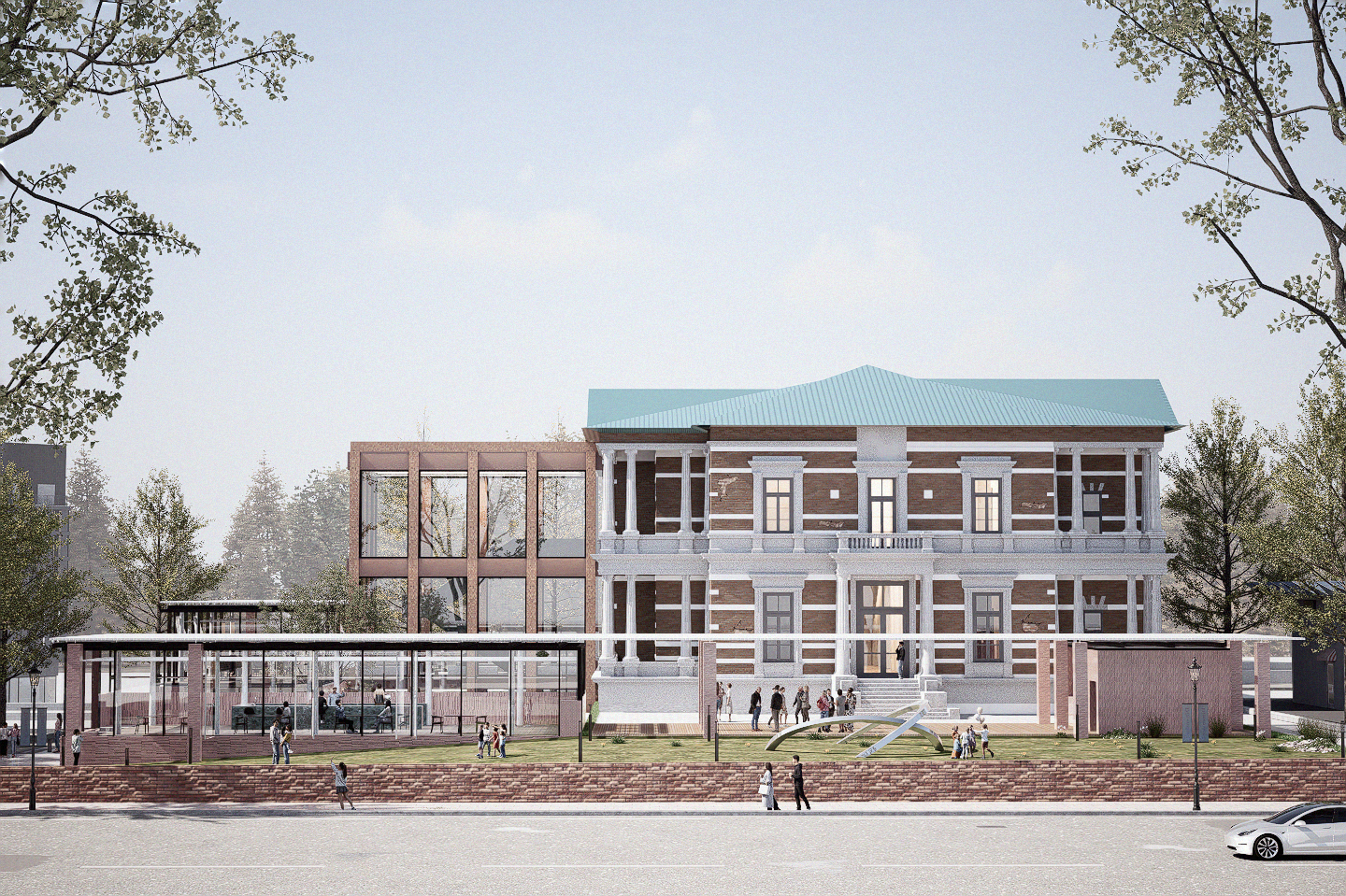
서울 남현동에 위치한 서울시립미술관(SeMA)을 도시 속 열린 문화 거점으로 제안합니다. 기존의 부지를 주변 녹지축, 보행 네트워크, 주거지와 유기적으로 연결하여 지역과 자연스럽게 엮이는 공간 구조를 계획하였습니다. 대지 레벨 조정을 통해 외부와 내부 사이의 경계를 느슨하게 풀어낸 배치 방식은 방문자들의 접근성을 높이고, 일상 속에서 자연스럽게 머물 수 있는 환경을 유도합니다. 방에서 방을 넘나드는 듯한 각 증축동은 공유 정원을 중심으로, 기존 건축물 규모와 형태의 조화를 고려하여 재해석되었습니다. 남서울미술관이 지역 주민과 방문객 모두에게 열려 있는 문화적 일상의 배경이 되기를 기대합니다.
The project reimagines the Seoul Museum of Art (SeMA) in Namhyeon-dong as a cultural catalyst embedded within its urban context. This proposal introduces a new masterplan that opens the museum site to the public by integrating the local grids such as green, walkway, and neighborhoods. Architecture responds to this framework through a porous site strategy, reinterpreted individual building volumes with shared gardens, and a layered material approach that respects the original structure. The design envisions SeMA not only as a museum but as a civic landscape that invites both residents and visitors to engage in cultural dialogue.
Strategy

남서울미술관물은 1905년 중구에 벨기에 영사관으로 처음 지어졌으며, 약 40여 년 전 지금의 사당동으로 이전되었습니다. 그 후 여러 차례 용도 변화를 거쳐 현재는 서울시립미술관으로 편입되었으며, 대중에게 공개된 지는 20여 년 정도에 불과합니다. 지역의 문화적 기반으로 자연스럽게 자리 잡지 못했을 뿐만 아니라, 한국 건축의 맥락 안에서도 뚜렷한 계보를 갖고 있지 않은 남서울미술관의 역사적 배경은, 여전히 주변 지역과 다소 낯선 존재로 남아 있게 만들었습니다.
Originally constructed in 1905 as the Belgian Consulate in Jung-gu, the building was relocated to Sadang, around four decades ago. It has undergone multiple functional transformations before becoming part of SeMA and has only been open to the public for two decades.The building remains somewhat alien—neither a familiar cultural anchor for the neighborhood, nor a structure rooted in Korean architectural lineage. Its relationship with the local community has therefore remained tenuous.

서울에서 가장 활발한 교통 결절점 중 하나인 사당역 인근에 위치해 있음에도 불구하고, 대상지 주변은 뚜렷한 문화적 거점이 부재한 상태입니다. 고층 주거 단지와 저층 상업 건물로 둘러싸인 이 지역에서, 서울시립미술관은 유일한 공공문화시설로서 단독적으로 존재감을 드러내고 있습니다.
Located adjacent to Sadang Station—one of the most active transportation nodes in Seoul—the site is paradoxically devoid of cultural anchors. Surrounded primarily by residential towers and low-rise commercial blocks, the SeMA facility emerges as the sole civic and cultural destination in the district.

본관은 과거 벨기에 영사관으로 사용되던 건물로, 외교 기능과 주거 기능을 동시에 수용할 수 있도록 구성되어 있습니다. 중앙 복도를 중심으로 작고 밀도 높은 실들이 분절되면서도 내부적으로 연결되어, 한국의 전통적 주거 구조와는 다른 독특한 공간 흐름을 형성합니다. 이러한 실들의 연속성과 시선의 교차는 공간 경험의 핵심으로 작용하며, 별관 설계에도 그대로 확장됩니다. 새롭게 계획된 매스는 각기 다른 문화 프로그램을 담은 소규모 건축 단위로 나뉘어 배치되며, 본관의 공간적 흐름을 자연스럽게 이어갑니다. 저층 규모로 구성된 별관은 주변 주거지의 스케일에 조응하면서 다양한 접근 동선을 마련해 개방성과 접근성을 동시에 확보합니다.
Originally used as the Belgian Consulate, the main building was designed to accommodate both diplomatic and residential functions. Its spatial configuration—centered around a main corridor with a series of compact, internally connected rooms—differs markedly from traditional Korean residential layouts. This sequence of rooms and the way openings allow views across spaces form a distinct spatial experience, which is extended into the new annex. The annex is composed of small-scale volumes, each housing a specific cultural program, continuing the room-to-room sequence found in the original structure. These low-rise additions respond to the surrounding residential context and introduce multiple access points, enhancing openness and permeability.
Design

새롭게 계획된 매스들은 기존 도시 맥락을 내부로 끌어들이고 단절된 흐름을 다시 연결하는 방식으로 배치되었습니다. 미술관 전면을 가로막고 있던 건물을 철거함으로써 단절되었던 선형의 녹지축이 회복되고, 외부 경관이 부지 안으로 자연스럽게 유입되도록 하였습니다. 이를 통해 공공 공간의 연속성이 강화됩니다. 또한, 부지 외곽을 따라 형성된 기존 보행 흐름에 맞춰 새로운 동선을 정렬함으로써, 지역의 보행 네트워크가 끊김 없이 이어지도록 계획하였습니다.
The new volumes were positioned to extend and reconnect the existing urban context into the site. A linear green axis, previously severed, is restored by removing an obstructing building in front of the museum, allowing the landscape to flow into the site and reinforcing the continuity of public space. Moreover, pedestrian paths are aligned with existing crossings around the perimeter to continue the local walkway circulation.
Drawings

선형 공원을 따라 접근하는 방문객을 맞이하는 진입 광장은 미술관을 향해 열려 있으며, 매표소와 카페는 이 공간을 향해 배치되어 자연스럽게 내부로의 유입을 유도합니다. 이 광장은 일상적으로는 열린 시민 공간으로 기능하면서, 동시에 야외 전시나 지역 커뮤니티 행사를 수용할 수 있는 유연한 경계 공간으로 설계되었습니다.
As visitors approach along the linear park, they are welcomed by entry plaza that opens toward the museum. The ticket booth and café are oriented toward this space, gently drawing people further into the inner layers of the museum. Designed as an active threshold, the plaza supports outdoor exhibitions and community events, while remaining accessible as a civic space in daily life.


기존에 주차장으로 사용되던 서측 경계는 높이를 낮춰 보행자 레벨에 맞춰 정비되었으며, 이로써 외부 보행 흐름이 부지 안쪽까지 자연스럽게 연결됩니다. 이 경계선을 따라 배치된 새로운 건물들은 기존 미술관의 재료 감각을 반영하여 긴 벽돌과 모자이크 타일로 마감되었으며, 점진적으로 가늘어지는 기둥들로 지지되어 본관의 구조적 리듬을 현대적으로 해석합니다.
The western edge, formerly elevated and used as a parking lot, was excavated to match the pedestrian level, reconnecting the walkway into the site. New volumes along this path are clad in long bricks and mosaic tiles, referencing SeMA’s original material palette, and supported by a series of tapered columns reinterpreting the museum’s structural rhythm.


Images


credit